ICMRED 2026

The Future of Work: Strategy, Workforce Transformation, and Organizational Renewal

Date:

April 10th, 2026 (UTC+1)

Organizer

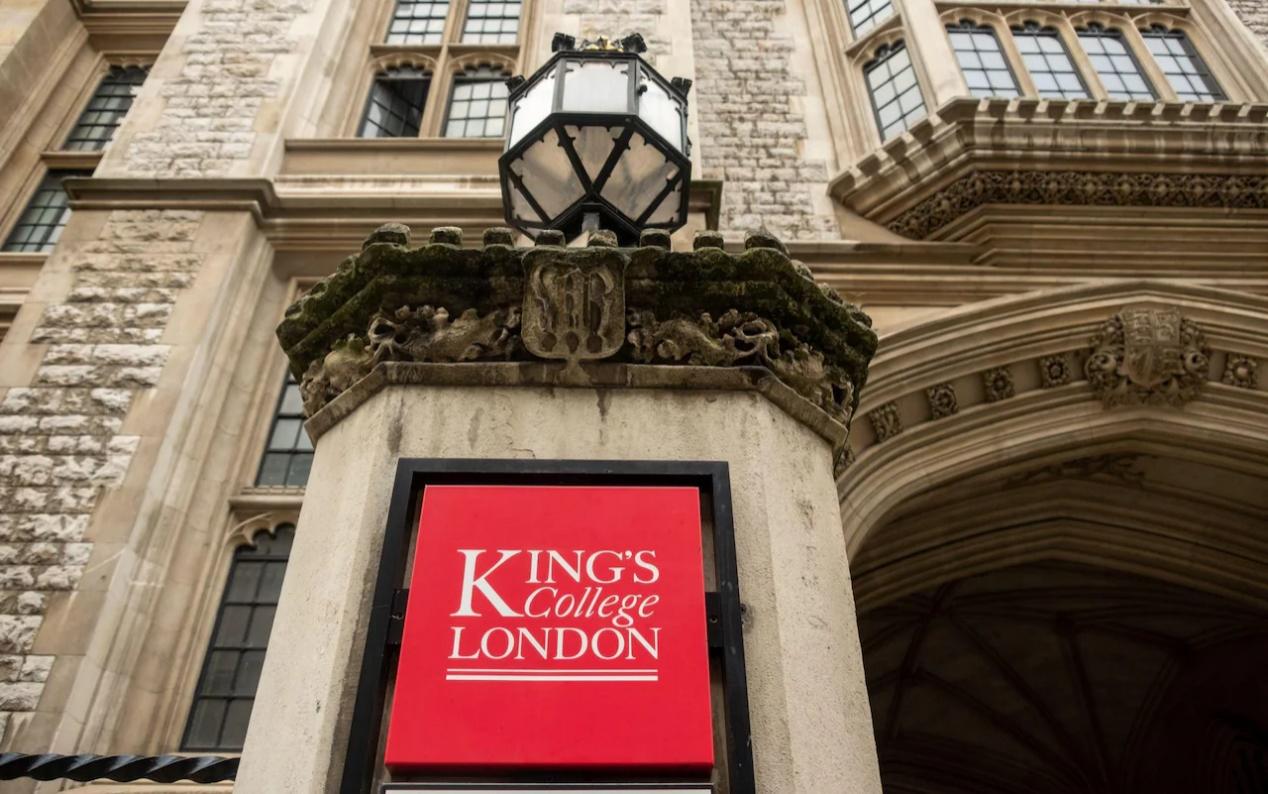
King’s Business School, King’s College London

Symposium Chair

Dr. An Nguyen
Lecturer in King’s College London

Personal Bio

Dr. An Nguyen is a Lecturer in Human Resource Management at King's Business School. She is a mixed-methods researcher, interested in using quantitative, qualitative and machine learning techniques to conduct research in HRM, Education Policy and Human Capital Development in global contexts. As an experienced educator, she has led large modules, flipped classroom learning, dissertation supervision and tutorials in Human Resource Management at UK universities in both online and face-to-face delivery. Her research interests include Global HRM; Work and Employment, specifically:

  1. Global and comparative HRM
  2. Future of work (e.g., AI in HRM, working from home, virtual teams…)
  3. Sociology of work (e.g., career aspirations, employability, sustainable careers…)
She has extensive work and consultancy experience with corporations, NGOs, ed-tech, and universities in India, China, Vietnam, and the UK. She is trilingual researcher in Vietnamese, English and Mandarin Chinese (with conversational proficiency in Spanish and Arabic).

Call for Papers

Background:

Across sectors and geographies, the world of work is undergoing rapid and profound transformation. Technological advancements, ranging from AI and automation to digital platforms are reshaping jobs, professions, and the very meaning of work. At the same time, demographic shifts, global crises, hybrid and remote work models, and evolving employee expectations are challenging traditional employment relationships. These changes raise critical questions about how organisations can remain competitive while also fostering inclusive, ethical, and sustainable workplace practices. Policymakers, employers, and workers alike must navigate increasing uncertainty, skills mismatches, and complex well-being concerns. Against this backdrop, research and practice must evolve to address the multifaceted implications of the future of work and to co-create pathways that ensure opportunity, productivity, and fairness in a rapidly shifting landscape.

Goal/Rationale:

This symposium aims to bring together researchers, practitioners, and educators to examine one of the most pressing challenges of our time: how to shape a future of work that is productive, humane, and resilient. Despite increasing attention to trends such as automation, flexible work, and AI-driven practices, there remains a gap in understanding how these forces intersect with issues of inclusion, well-being, work design, and leadership. Many organisations struggle to implement changes in ways that enhance rather than erode employee experience. Recent advances in digital technologies, global mobility patterns, and organisational design offer opportunities for innovation, but also create new inequalities and risks if not carefully managed.

The symposium provides a platform to explore how workers, organisations, and policymakers can anticipate and respond to these challenges. Participants will engage with cutting-edge research and emerging practices, identify evidence-based strategies, and discuss how business schools can better prepare future professionals. By fostering interdisciplinary dialogue, the symposium seeks to generate insights that can inform policy, organisational strategy, and educational practice.

Scope and Information for Participants:

We invite contributions that address the future of work from conceptual, empirical, or practice-based perspectives. Submissions may focus on any of the following themes:

  • Flexible work, AI, and technological transformation: implications for employment practices, skill development, and worker agency.
  • Work design and meaningful work: creating engaging, purposeful roles in dynamic environments.
  • Workplace inclusion and social inequalities: examining how organisations can promote fairness and belonging at multiple levels.
  • Leadership in hybrid and digital organisations: evolving competencies, team dynamics, and managerial challenges
  • Talent management and assessment innovation: recruitment, performance evaluation, and career pathways in digitalised contexts.
  • Employee health, well-being, and career development: strategies to support workers amid continuous change.
The symposium welcomes diverse methodologies and encourages dialogue between academia and practice.

Topics

The main topics of this symposium are listed below.

Management

  • Advertising
  • Business Performance Management
  • Decision Sciences
  • Development Planning and Policy
  • Entrepreneurship
  • Human Resource
  • Information Systems
  • Information Technology Management
  • Labor Relations & Human Resource Management
  • Management Information Systems
  • Operations Research
  • Organizational Behavior & Theory
  • Production/Operations Management
  • Public Administration and Small Business Entrepreneurship
  • Public Relations
  • Public Responsibility and Ethics
  • Strategic Management
  • Systems Thinking
  • Time Management
  • Total Quality Management

Business

  • Business analysis
  • Techniques, Methodologies, and Models
  • Enterprise and Company Analysis
  • Requirements Planning and Management
  • Requirements Analysis and Documentation
  • Strategic Analysis and Design
  • Innovating
  • Vendor and Tools Track
  • Data Modeling
  • Business Process Modeling
  • Soft Skills and Competencies
  • Architectural Frameworks
  • Business Rules
  • Object-oriented Analysis
  • Structured Analysis

Meanwhile, submissions aligned with the overall conference theme are also welcome.

Economics

  • Economic Development
  • Comparative Economic Systems
  • Consumer Behavior
  • Economic Systems
  • Financial Economics
  • Household Behavior and Family Economics
  • Industrial and Manufacturing
  • International Economics
  • Labor Economics
  • Law and Economics
  • Market Structure and Pricing
  • Marketing Research and Strategy
  • Public Choice
  • Productivity and Economic Growth
  • Regulatory Economics
  • Travel/Transportation/Tourism
  • Welfare Economics

Finance

  • Business Intelligence
  • Business Information Systems
  • Corporate Finance and Governance
  • Digital Financial Intermediation
  • Finance & Investment
  • Financial Risks and Capital Flows
  • Global Business
  • International Finance
  • Prices, Business Fluctuations, and Cycles

Submission

Prospective authors are kindly invited to submit full papers that include title, abstract, introduction, tables, figures, conclusion and references. It is unnecessary to submit an abstract in advance. The deadline for general submission is April 3, 2026.

Each paper should be no less than 4 pages. One regular registration can cover a paper of 6 pages, and additional pages will be charged. Please format your paper well according to the conference template below before submission. Paper Template Download

Please prepare your paper in both .doc/.docx and .pdf format and submit your full paper by email with both formats attached directly to sympo_london@icmred.org

Important Dates:

Submission & Payment

Type Specific Information
Paper Submission Deadline April 3, 2026
Review Process 2 weeks
Revise & Acceptance 2 weeks
Registration & Payment 2 weeks

Fees

Fees (VAT Included) Amount
Registration and Publishing Fee (6 pages included) $450
Additional Page $40/extra page

Publication

Accepted papers will be published in Advances in Economics, Management and Political Sciences (AEMPS) (Print ISSN: 2754-1169) and will be submitted to Conference Proceedings Citation Index (CPCI), Crossref, CNKI, Portico, Google Scholar, and other databases for indexing. The situation may be affected by factors among databases like processing time, workflow, policy, etc.

Proceeding Title: Advances in Economics Management and Political Sciences (AEMPS)
Press: EWA Publishing, United Kingdom
ISSN: 2754-1169 2754-1177 (electronic)

* The papers will be exported to production and publication on a regular basis. Early-registered papers are expected to be published online earlier.

This symposium is organized by ICMRED 2026 and it will independently proceed the submission and publication process

Venue:

Bush House, King’s Business School, London, UK 30 Aldwych, London WC2B 4BG

How to Participate:


Attend in person

If you want to attend the symposium on-site, please email sympo_london@icmred.org. The symposium seats are limited. Both contributors and non-contributors who wish to participate in the symposium in person need to apply to the symposium organizers.

VISA

Welcome to GOV.UK

In order to ensure the information is correct and up to date, there may be changes which we are not aware of. And different countries have different rules for the visa application. It is always a good idea to check the latest regulations in your country. This page just gives some general information of the visa application.

UK Visa Information

What you need to do

  • Check if what you plan to do in the UK is allowed as a Standard Visitor.
  • Check you meet the eligibility requirements.
  • Check if you need to apply for a visa to visit the UK.
  • Apply for a Standard Visitor visa online - if you need one.

Check you meet the eligibility requirements

You must have a passport or travel document to enter the UK. It should be valid for the whole of your stay.

You must be able to show that:

  • you'll leave the UK at the end of your visit
  • you're able to support yourself and your dependants during your trip (or have funding from someone else to support you)
  • you're able to pay for your return or onward journey (or have funding from someone else to pay for the journey)
  • you'll not live in the UK for extended periods through frequent or successive visits, or make the UK your main home

Check if you need a visa to visit the UK

Depending on your nationality, you'll either:

  • have to apply for a Standard Visitor visa before you travel to the UK
  • be able to visit the UK for up to 6 months without needing a visa

You can check if you need a visa before you apply.

If you do not need a visa, you must still meet the Standard Visitor eligibility requirements to visit the UK. You may be asked questions at the UK border about your eligibility and the activities you plan to do.